Computer Vision experts in
Image Acquisition / Processing /
Artificial Intelligence.
Home
Aphelion Suite
Aphelion Imaging Software Suite
Aphelion Dev
Aphelion Lab
Aphelion SDK
Annotate
Aphelion Extensions
Stereology Analyzer
Application Areas
Ophthalmology
Adcis Solutions
Kerify Vision
Gutteye
OphtAI
ARIES
ISOS
Rev Analyzer
Custom Developments
Research Projects
Blepharoplasty Project
SEDAAR
DIABeyeIA
EVIRED
Messidor-2
Messidor
E-ophtha
Life Science
Materials Science
Inspection
Authenticity Checking
Other Expertise
Services & Support
Custom Development
Warranty & Maintenance
Training
Software Download
Code Request
Aphelion Version History
Support
Contact us
Download Documentation
Download Deep Learning Examples
Videos
Third Party Softwares
Corporate
Corporate
Computer Vision
News
Our Main Customers
Partners
Contact us
Contact us
Where to Buy?
Driving directions
Career
English
English
Español
Français
Archived page: ADCIS Applications: 3D
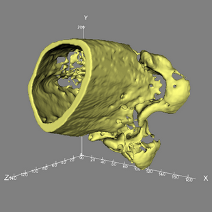
3D
SOFTWARE TOOLS FOR IMAGE
PROCESSING, ANALYSIS, & CLASSIFICATION
Measure and analyse
3D
display
and
processing
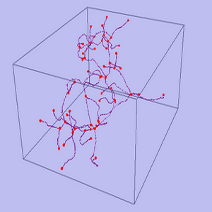
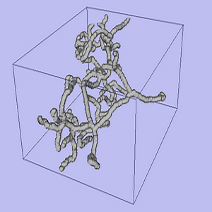
Skeletonization
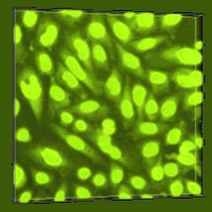
Compute 3D volume with 2D image stack or 2D shapes projection
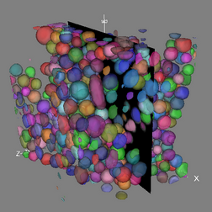
3D Analysis